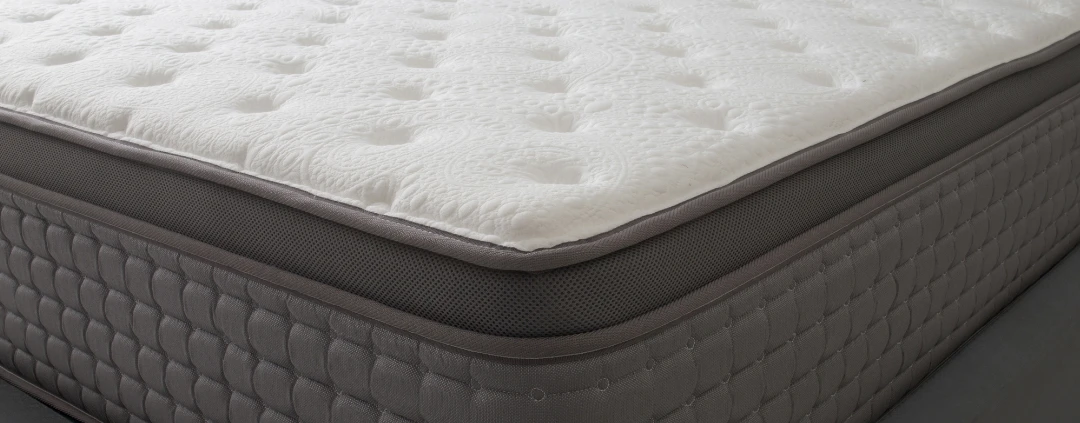
The client is a British company specialising in handcrafting luxury mattresses and beds and wants to expand into the Hong Kong market. Known for using natural materials and traditional techniques, they were pioneers in pocket spring mattresses.
However, their existing brochure site featured poorly translated product pages, which needed significant improvements. From the outset, it was clear that the client did not understand the local market, as they had requested work to be conducted in Simplified Chinese – despite most searches in Hong Kong being in Traditional Chinese.
I was engaged as a freelance consultant to conduct a content audit and identify opportunities for improvement.
The Approach
My knowledge of the Hong Kong market allowed me to anticipate key consumer behaviours and refine my research accordingly. As part of my research, I conducted in-depth keyword research, analysing both branded and non-branded search terms.
For Non-Branded Terms, I focused on niche product offerings such as “British,” “handmade,” and “luxury” to align with the brand’s unique selling points. To ensure precision in targeting, I excluded overly broad product terms that would not effectively capture the brand’s audience.
Deliverables
As part of my deliverables, I provided the client with a detailed keyword list and a summary of key findings highlighting the language and terminology challenges. Key insights included:
- Limited brand presence: There was low search volume for the brand name and branded products.
- Low Search Volume in Simplified Chinese: As expected, there was little to no search volume in Simplified Chinese in Hong Kong, with only four relevant keywords identified.
- Stronger Performance in Traditional Chinese: Keywords in Traditional Chinese had significantly higher search volumes than their Simplified counterparts. For example, Solid wood bed: 实木床 (Simplified) – 10 monthly searches vs. 實木床 (Traditional) – 150 monthly searches.
- Broader Keyword Opportunities in Traditional Chinese: More relevant keywords were available in Traditional Chinese, including:
- High-End Mattress (高級床褥) – 10 monthly searches
- Made-to-Order Bed Frame (訂造床架) – 300 monthly searches
- Independent Pocket Spring Mattress (獨立袋裝彈簧床褥) – 90 monthly searches
- Terminology Differences Across Regions: The client’s site used “床垫” (Simplified Chinese for mattress), which is accurate for Mainland China but not for Hong Kong, where “床褥” is the preferred term. In Hong Kong, “床垫” typically refers to mattress toppers and protectors, which could lead to product misclassification.
To effectively target the Hong Kong market, content should be optimised in Traditional Chinese, focusing on non-branded keywords rather than relying on Simplified Chinese, which does not align with search behaviour.
Results
This project reinforced the importance of market-specific insights in international SEO and content strategy. Understanding regional language nuances and consumer search behaviour is essential for businesses looking to expand globally.
By leveraging my expertise in keyword research and knowledge of the local market, I identified significant gaps in the client’s approach and provided actionable recommendations to optimise their digital presence in Hong Kong. Even within a short timeframe, I was able to guide the client in refining their content strategy and improving their visibility in the Hong Kong market.